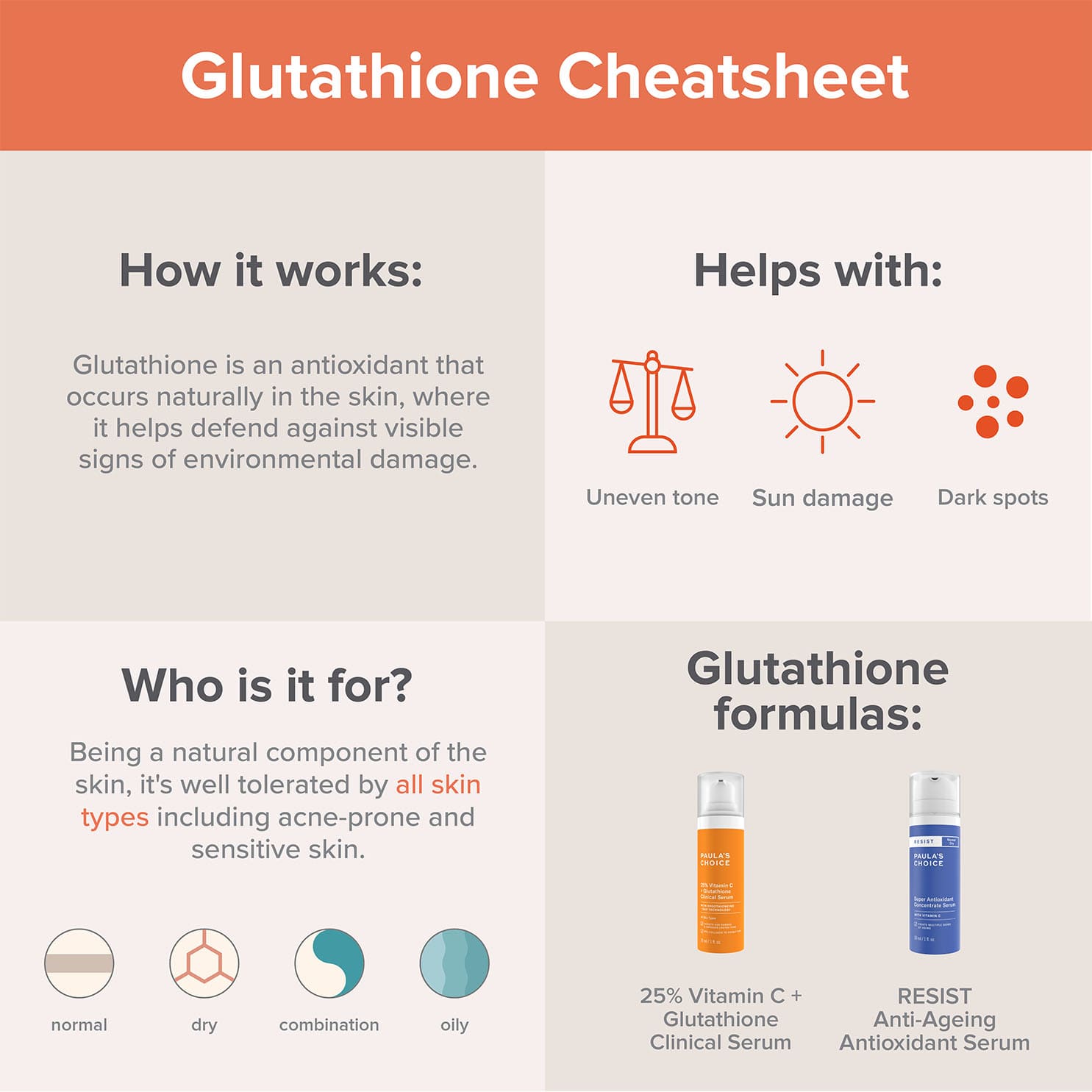
As we age or experience stress, injury, or hormonal changes, natural peptide production can decline, leading to fatigue, inflammation, slowed recovery, and reduced vitality

2 Overview of the connection between gut microbiota and depression 2.1 Gut microbiota microenvironment The gastrointestinal tract is commonly referred to as the second brain due to its critical roles in digestion, immune response, and endocrine regulation ( The gut microenvironment primarily fosters the proliferation of bacterial phyla, such as Firmicutes , Bacteroidetes , Actinobacteria , Fusobacteria , Proteobacteria , Verrucomicrobia , and Cyanobacteria ( Firmicutes and Bacteroidetes dominate the fecal microbiota of healthy individuals, depressed individuals exhibit significant alterations, including decreased Lachnospiraceae and Ruminococcaceae , along with reduced populations of Fecalibacterium and Ruminococcus , and lower levels of Lactobacillus and Bifidobacterium ( 2.2 Evidence of gut microbiota in inducing depression Transferring the fecal microbiota from patients with major depressive disorder (MDD) into rodents has been shown to induce depression-like behaviors, suggesting the influence of gut microbiota on emotional states ( Figure 1 )
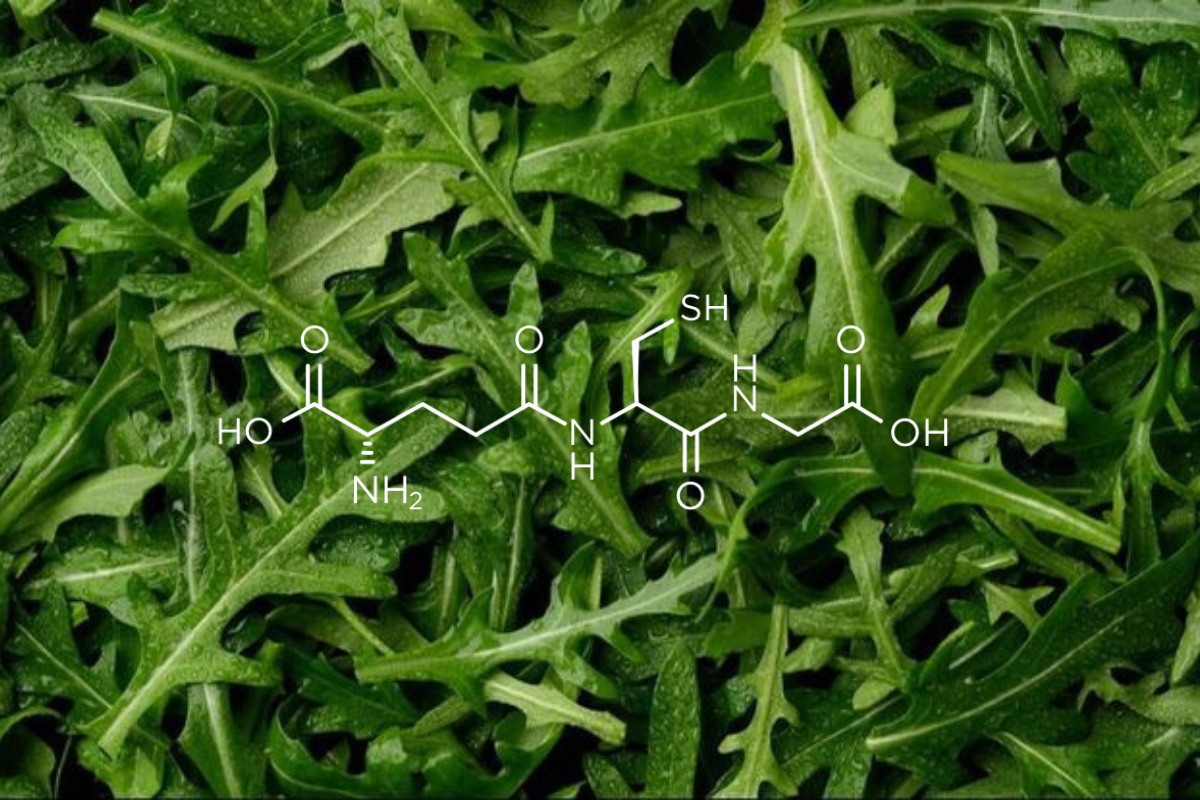
Enzyme activities and subcellular localization of members of the Arabidopsis glutathione transferase superfamily
Only bought the 3 pack for now, but thinking about purchasing more in the future!" Sara M