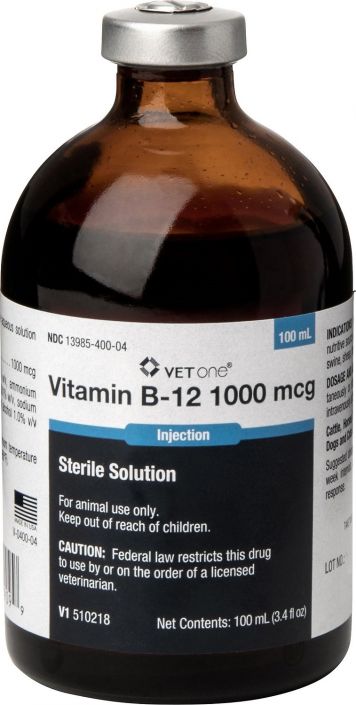
When Youre Likely to Be Covered To summarize, Medicare is more likely to cover your vitamin B12 injections under the following circumstances: You have a condition such as pernicious anemia Your healthcare provider considers the treatment medically necessary The injection is administered in a certified outpatient setting (Part B) You are enrolled in a Medicare Advantage plan that includes this benefit You are in a skilled nursing facility and it is part of your care plan (Part A) Always review your plans list of covered medications or formulary and inquire about any documentation or referral requirements
Lack of B-12 can lead to anemia
As a statement made by one of the leaders in vitamin B12 field more than 10 years ago, Carmels idea of cobalamin deficiency should not be diagnosed unless megaloblastic changes are found is still followed by many physicians and health authorities when accepting B12 deficiency diagnosis.1 But as time goes by, evidence and clinical cases showed that B12 deficiency symptoms can be seen even when B12 level in blood is within the reference range, as 200 900 pg/mL in the United States,2 and 135-650 pmol/L in Australia.3 In clinical practice, signs and symptoms of B12 deficiency start when plasma B12 levels are normal, and long historical studies showed that neurological symptoms of deficiency occur in patients without sign of anaemia
%20injection%3F)
[5] Serum 25-hydroxyvitamin D, calcium, phosphate, and parathyroid hormone are re-examined at least eight weeks after each injection, and maintenance may shift to oral 1,000-2,000 IU daily once target levels (generally 30-50 ng mL ) are achieved, thereby reducing the risk of cumulative overdose while safeguarding skeletal health