View on PubMed Involvement of the AT1 Receptor in Effects of Angiotensin IV and LVV-Haemorphin 7 on Hippocampal Memory Demonstrated that angiotensin IV analogs (the parent class of Dihexa) improve hippocampal memory performance in rodents, supporting the AT4/IRAP receptor pathway as a target for cognitive enhancement (J Neurochem, 2010)
DSIP's primary function is its interaction with the sleep regulatory system
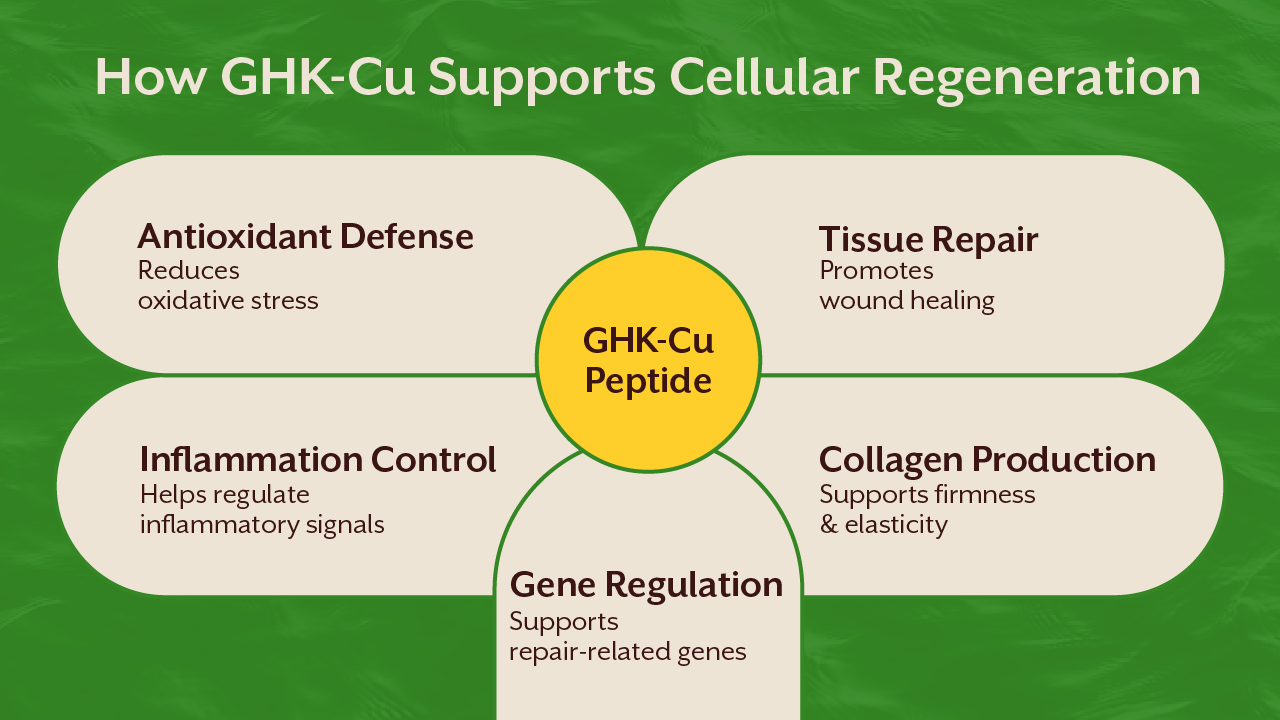
Angiogenic Pathway Activation Multi-Component Blood Vessel Formation Multiple components contribute to comprehensive angiogenesis through distinct but complementary mechanisms[5]: BPC-157 upregulates VEGFR2 expression and enhances endothelial cell proliferation TB-500 promotes endothelial cell migration and tube formation GHK-Cu stimulates angiogenic growth factor expression and vessel maturation Combined effects result in robust tissue vascularization and nutrient delivery Improved collateral circulation development in ischemic conditions Nitric Oxide System Modulation Vascular Protection BPC-157 influences nitric oxide signaling pathways to support vascular function[6]: Enhanced eNOS phosphorylation leading to controlled NO production Modulation of blood flow and vascular tone Protection against both NO excess and NO deficiency states Coordination with angiogenic effects for comprehensive vascular support Synergistic Advantage: KLOW Blends four-pathway approach enables simultaneous activation of cellular migration (BPC-157/TB-500), matrix synthesis and gene expression modulation (GHK-Cu), robust inflammation control (KPV), and comprehensive angiogenesis

Mechanistically, HGF inhibits inflammatory M1-like macrophage production of pro-inflammatory cytokines and chemokines (such as IL-1, IL-6, TNF, CXCL1, CXCL10, and CCL2) by disrupting nuclear factor NF-B signaling (Giannopoulou et al., 2008) through the enhancement of the heme oxygenase-1 (HO-1) transcriptional pathway and the inactivation of the GSK-3 pathway (Kamimoto et al., 2009a,b